
By John Chenier
The state of the housing market has spurred a lot of stories in the media lately. In the search for a solution or a place to lay the blame, much attention has been given to critics who blame the problems on the time it takes for getting building permits approved. Recently, as the lack of affordable housing has been in the news, a new argument has appeared: the low-height limits set in many locations in the city discourage the building of affordable housing. It seems that when the limit is set at six storeys or less the cost of the base infrastructure spread over fewer units makes it impossible to build anything but luxury apartments.

This may tempt some to ask, “How many affordable apartments are included in all those 30-storey buildings going up around the city at the moment?”
The answer is none. However, some seem determined to make height limits or the time it takes to get a building permit the primary scapegoats for the state of the housing market. Whether housing for a low-income renter or first-time buyer developers are using the affordability crisis to pressure governments to speed up the approval process.
Certainly, there are problems in the approval process, but most stem from its constant use and abuse. It seems as though there is hardly a building lot in the city that cannot be re-zoned or have the setbacks or other constraints adjusted if someone is willing to invest money and time to push for changes. Developers know that the investment of time and money for extra height and width will be more than recouped.
Most of the building applications referred to the Lowertown Community Association Planning Committee for comment are seeking exemptions of one kind or another from the current zoning restrictions. Most are asking for more height and less setback than the current zoning demands – often lots more of the former and a lot less of the latter.
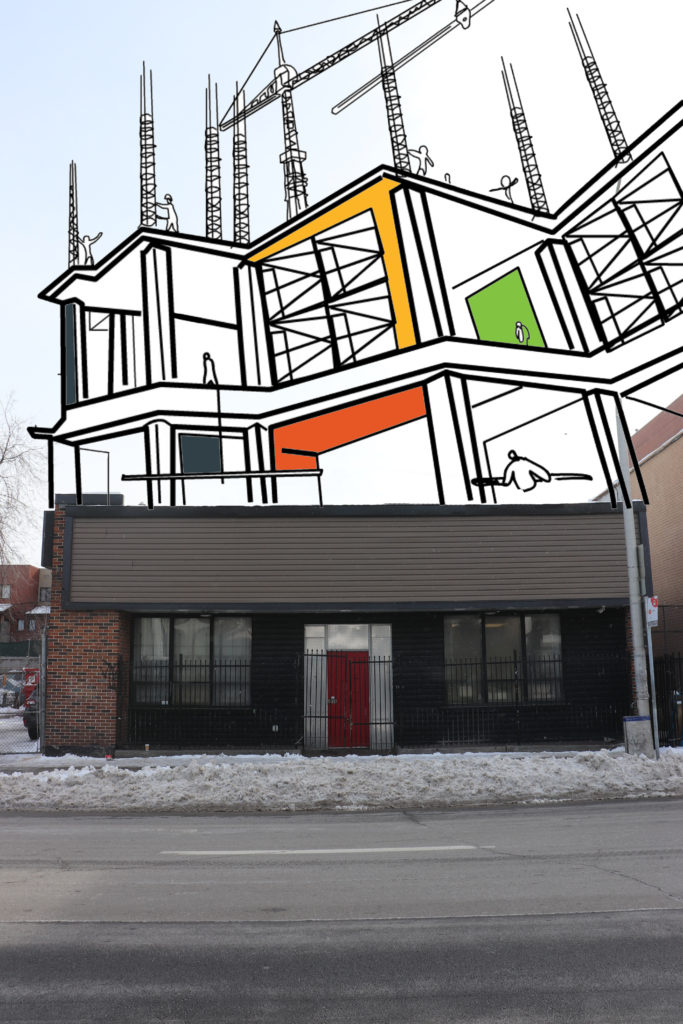
Exemptions require extra time for processing and decision. Proponents must make their case to City planners. Once accepted, there must be public consultations with those who will be affected by the changes. (There are some citizens’ groups that would argue that “consultation” is the wrong noun. It should be “public information” as consultation involves some degree of negotiation.) Then there is a reasonable interval so an appeal can be filed.
Building within the zoning requirements does away with this.
Yes, there are problems in the planning process. But problems in the housing market are not the result of the time taken in the approval process and shortening it will not provide the solution. Meanwhile, the construction of houses, according to figures from Canada Housing and Mortgage Corporation, continue to be at historical highs. Even with ongoing supply shortages, the seasonally adjusted rate of housing starts in every month of 2021 exceeded those for the same months in 2019 and 2020.