
By Caroline Cox
For the past two years, the Shepherds of Good Hope team has been working tirelessly in the context of three crises. The COVID-19 pandemic, toxic drug supply and critical affordable housing shortage have all taken their toll.
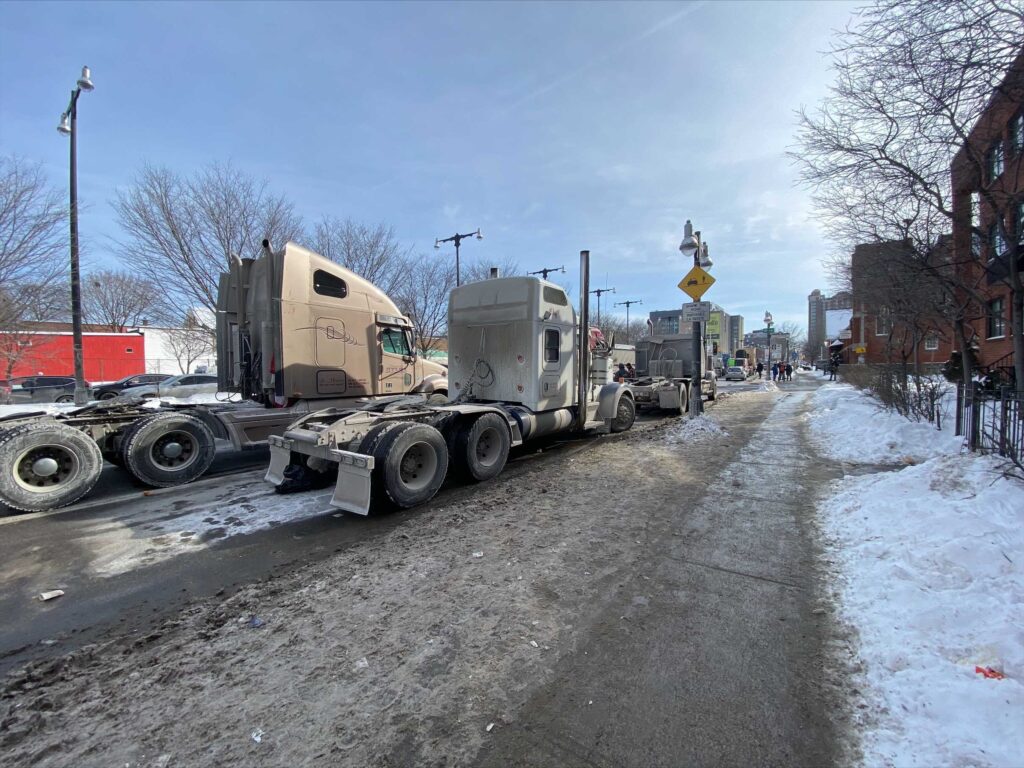
On February 6, Mayor Watson declared another state of emergency around the Freedom Convoy demonstrations. Our shelter is accustomed to demonstrations and large events in the downtown, but it quickly became clear that this one was outside the norm.
Our staff faced hours in traffic dwarfed by tall trucks and people banging on their windows. Trucks surrounded our shelter blaring horns day and night. Anxieties ran high, but there was nowhere to get away from the noise.
On the evening of January 29, some convoy participants demanded meals and gave staff a hard time when they were turned away. Later that night, a severely mentally ill shelter client was assaulted by two people exiting a truck.
A Twitter comment we made went unexpectedly viral. We watched in amazement as 14,000 people, completely unprompted, donated approximately $750,000 to us, the overwhelming majority for the first time.
We received countless messages of support from people close to home, across Canada and around the world. We met convoy supporters who wanted to make amends. We were the target of misinformation online.
After the first week, situation outside our shelter improved, but for others it only worsened. We did our best to use our unexpected platform to amplify our partners’ experiences. The Youth Services Bureau needed to close its drop-in program for the first time ever. Cornerstone Women’s Shelter reported their residents were suffering from increased mental and physical health symptoms and substance use as a result of the constant noise, diesel fumes and sleep deprivation. ous
Many people said that our unexpected influx of donations was one of the few bright spots in the weeks of the occupation. And it was important to use that we use these funds to benefit the whole community.
To most of our new donors, we were simply a soup kitchen. But we are so much more. We are a community leader in supportive housing for people living with trauma, mental health and substance use disorders. We provide health and wellness services like aging at home supports and our world-renowned Managed Alcohol Program.
We are on track to house more people in our supportive housing residences than we have in our shelter. Our two residences in development will house 105 currently homeless individuals. The donations that we received will have a huge impact on those projects, from furniture and equipment to offsetting rising pandemic-related costs.
We are forever grateful to the 14,000 people who donated to us in the wake of the convoy occupation. Most of them will never visit our programs, perhaps not even our city. But at this critical time, they let us know that Lowertown’s vulnerable residents were not forgotten.
Caroline Cox is Senior Manager of Communications, SGH