By Marc Aubin
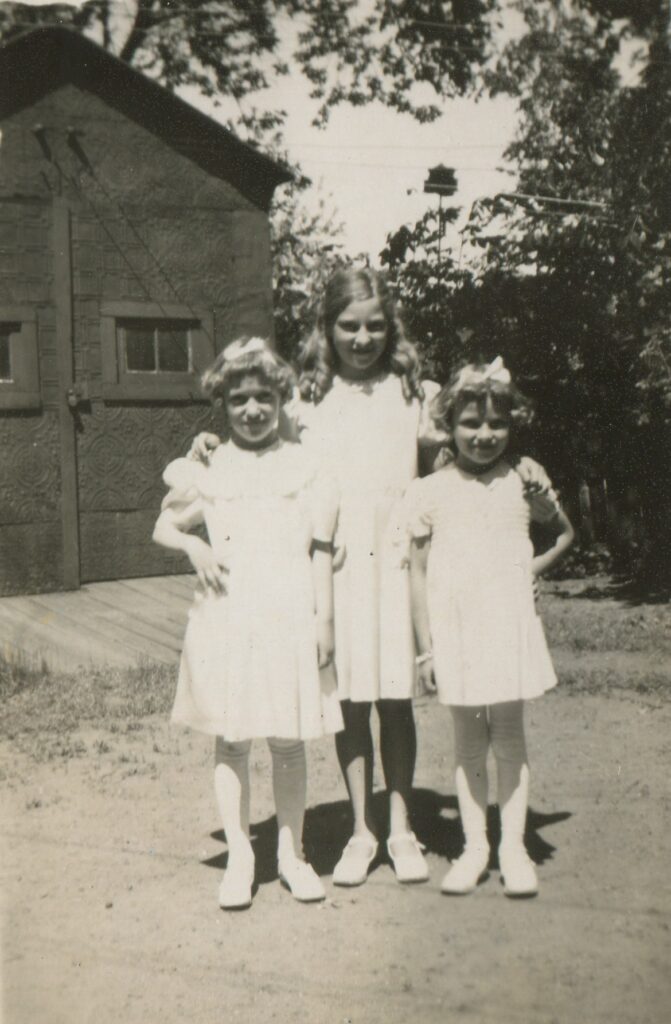
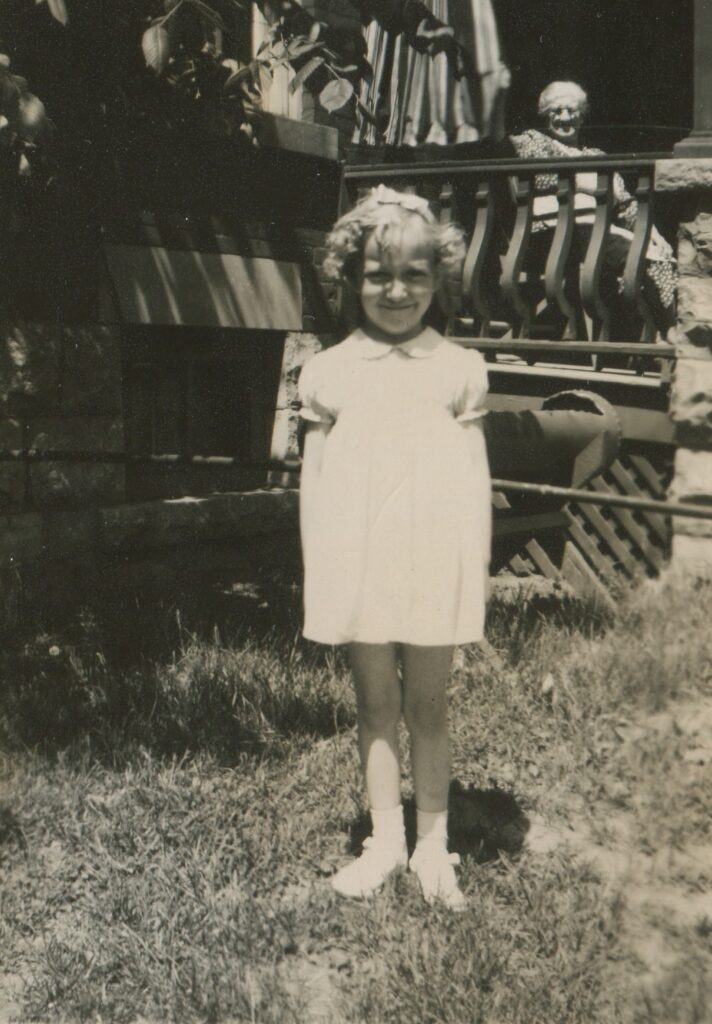
A lot changes in a lifetime, and here in Lowertown. Yvette Papillon, the current sister superior of the Sisters of the Jeanne d’Arc Institute, is an example of one of those lives. When she was born, along with her two sisters, Lise and Claire, in the early 1940s, Lowertown was still a predominantly French-Canadian neighbourhood, and the Sisters of Jeanne d’Arc were still growing their order.
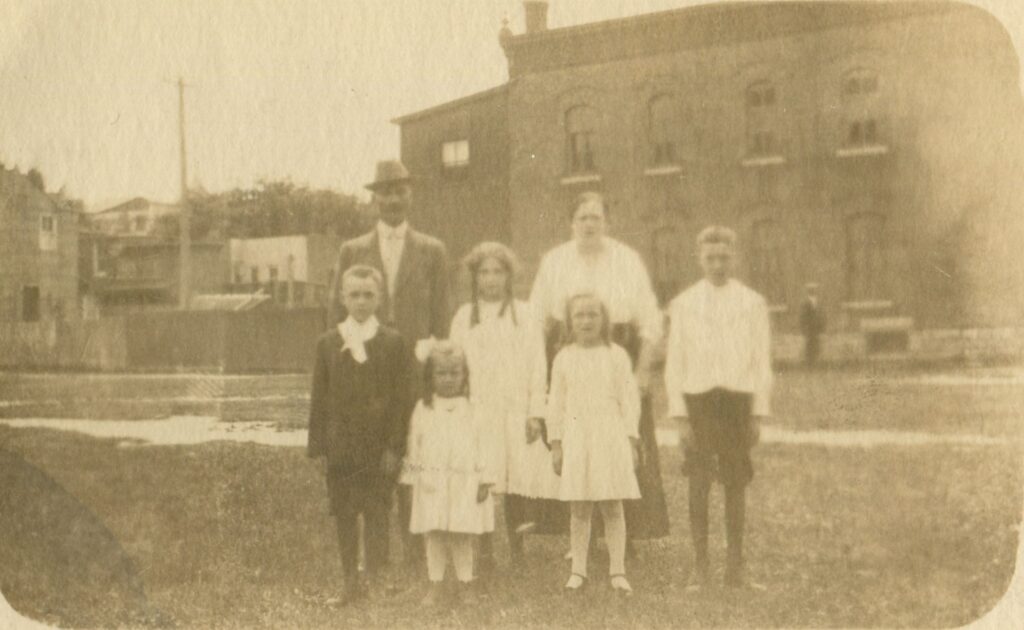
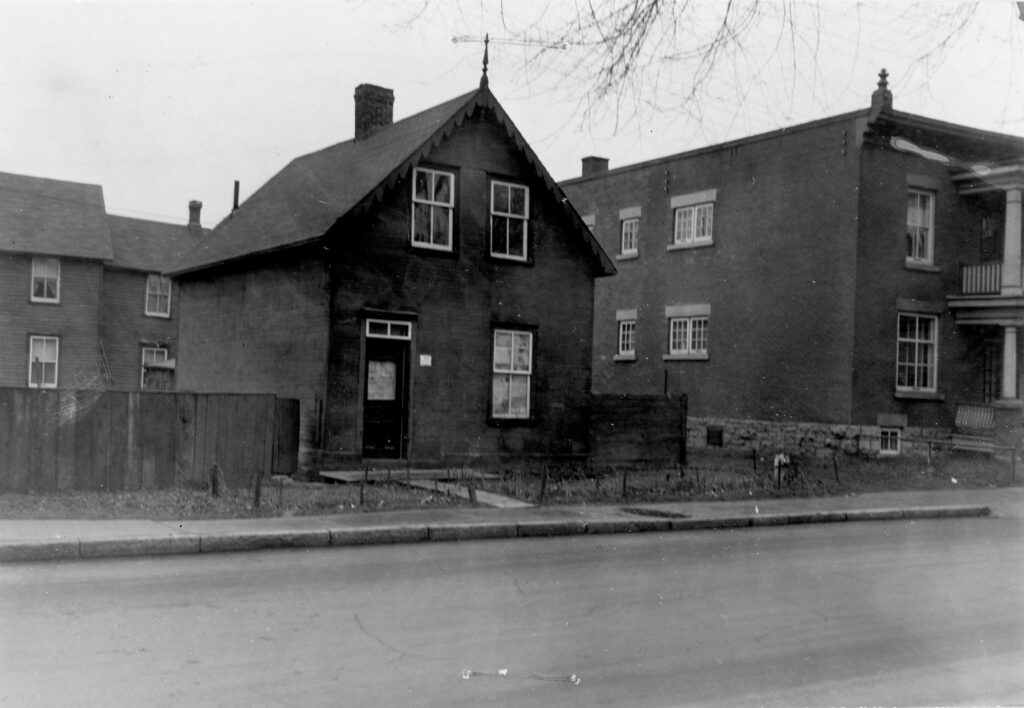
Yvette’s grandfather, Félix J. Papillon, a CNR employee, came to Ottawa after 1900 from Pont Rouge, Quebec, and was said to have been the custodian of Notre Dame Basilica. With his wife, Albina Nadon, they had five children: Omer, Félix, Rhoda, Félix and Albina lived for a number of years in the 1920s at 129 Cumberland Street. Eventually, Félix and his second wife, Blanche, ended up at 259 King Edward Avenue, a little house at the southeast corner with Murray Street.
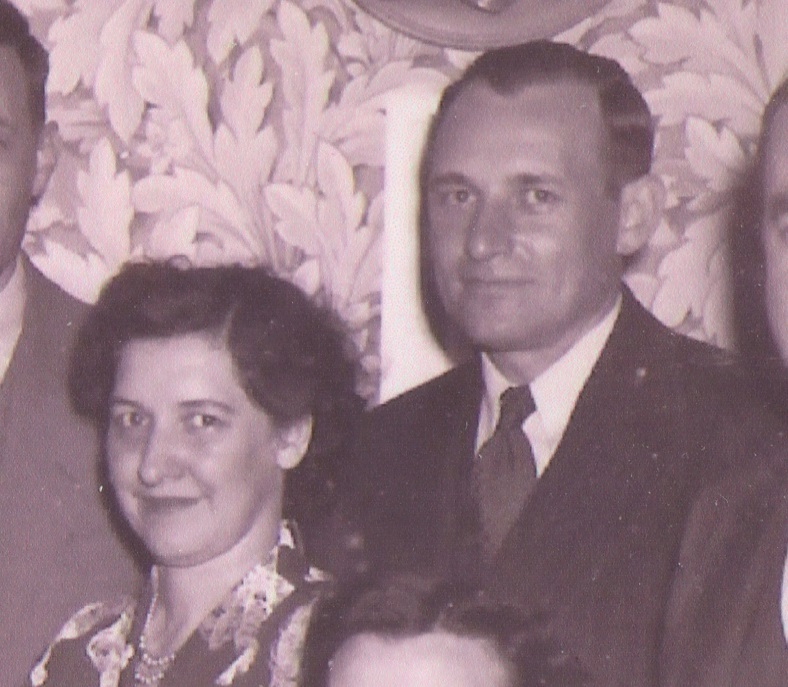
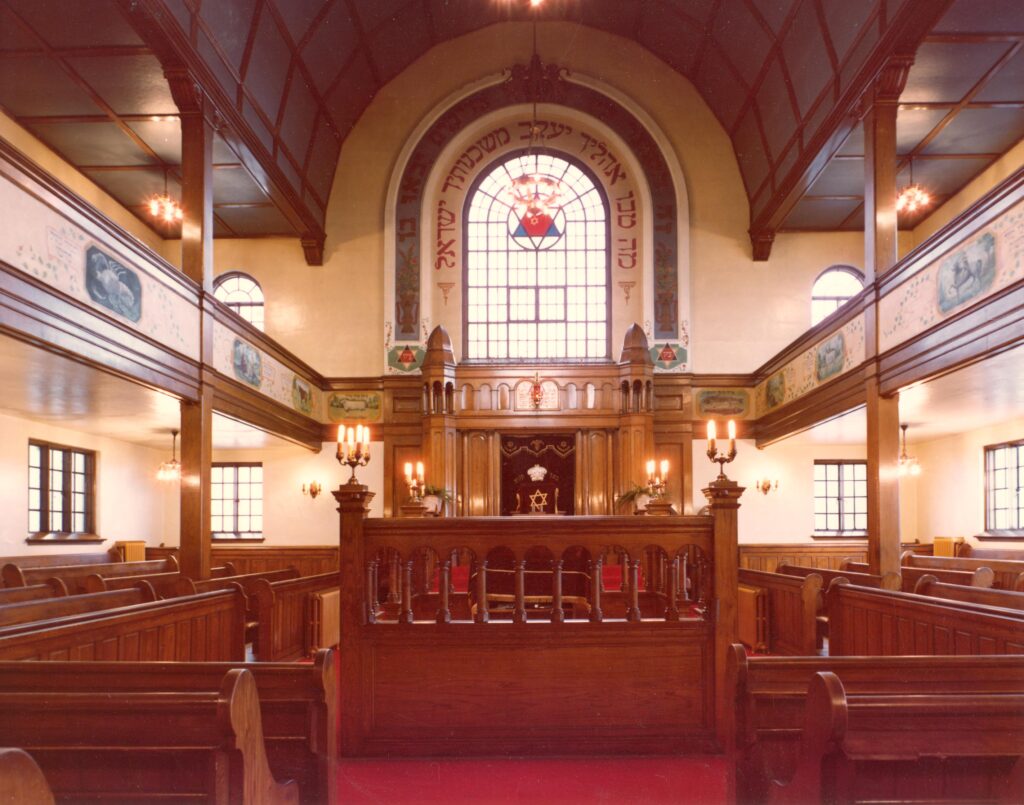
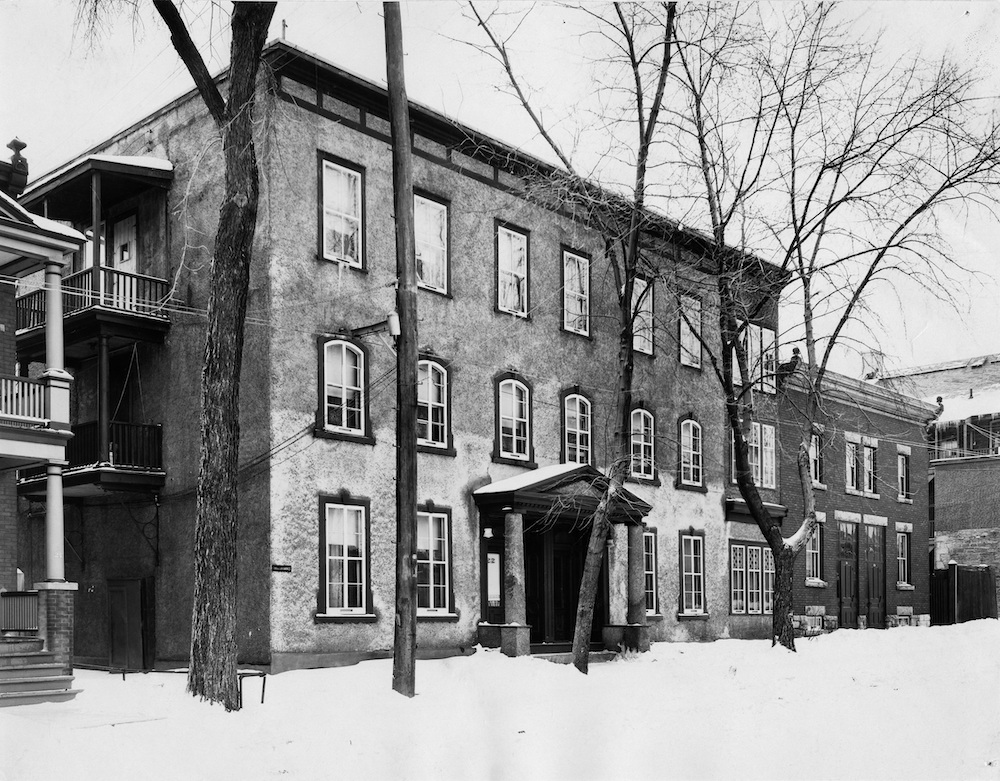
Yvette’s parents, Omer Papillon and Jeannette Lefebvre, sisters, and grandmother, Anna Lefebvre (born Gauvreau) lived at 261 Murray, directly behind the synagogue that once stood at the northeast corner of King Edward and Murray. From age 17, Omer worked for the O’Keefe Brewery on Wellington Street – the “plant” – working his way up to become a fermentation manager, testing out the beer. He retired at 59 just before the brewery moved to Toronto.
Jeannette Lefebvre was the daughter of Hector Lefebvre and Anna Gauvreau. She loved dancing and working in the dishware section of the Woolworth’s Department Store on Rideau Street. In fact, she loved both so much that she delayed marrying until she was 27 years old, which was old for the time! Omer and Jeannette didn’t have children for another five years after that! Jeannette was considered the life of the home, while Omer was the more quiet presence.
Yvette fondly remembers this quiet corner of Lowertown on Murray, and the beautiful large trees that lined the middle of King Edward nearby. She and her sisters would often play in the central boulevard of King Edward and she remembers having many picnics there as well. Yvette specifically remembers the Poirier corner store that once operated at the northwest corner of King Edward and St. Patrick.
The Demers family were the direct neighbours, and the Dorvals lived across the street. As the kids grew up, everyone attended church in different places – Omer was a Basilica man and no one was to sit in his spot, which he took every Sunday morning at 10:00 a.m. Jeannette was a fan of the fiery and popular Father Scantland at Ste-Anne’s, while the three sisters went to the English-speaking St. Brigid’s, since it was the closest to home.
Yvette recalls the mix of families in the neighbourhood, with French-Canadians at both ends of the block, and Jewish and English families in between. Despite the different religious and ethnic groups nearby, Yvette did not see these as divisions. Although she was told by some of her stricter nun teachers to avoid walking by Protestant churches, she questioned such views. In contrast, the spirit of openness in her family demonstrated itself in the ties they had with the Rabbi and his wife, who lived at the back of the synagogue next door. On Friday nights, after sundown, Yvette or one of her sisters was paid to turn off the lights in the synagogue, since the Jewish congregants and Rabbi were not permitted to do such tasks during the Sabbath, which extended to sundown on Saturday.
Yvette also recalls being permitted to attend Jewish weddings at the synagogue with her sisters. They would view these beautiful occasions from the balcony seats, and Yvette specifically remembers the tradition of breaking glass under a white sheet at the end of the ceremony. If the glass was not properly broken, then there would be a gasp from the crowd, since this was considered a bad sign.
Yvette and her sisters went to the Routhier School on Guigues Street for grade one and from grades six to eight, and to Duhamel School next door for grades two to five. The schools were operated by both nuns and lay teachers. For grade nine, Yvette went to the Rideau Convent, but the style of teaching and discipline were not for her. At the end of the school year, she came home one day, and her father said, “you don’t like it there, do you?” To which she agreed and, in an uncharacteristically assertive move of her father, he said “then you won’t go there anymore.”
Omer suggested that Yvette follow her cousin, who was attending school at one of the Jeanne d’Arc Institute schools, where she was having a great experience. Yvette flourished in what she described as a community of openness. As a result of those years at the Institute school, Yvette felt a calling and joined the Sisters of the Jeanne d’Arc Institute in 1961.
This order of sisters was founded in 1919 under unexpected circumstances. A number of years prior to their founding, a small boarding house for women had been operating at 20-22 Water Street (later Bruyère Street) in Lowertown. A French Dominican nun, who later became known as Mother Marie Thomas d’Aquin, in search of a mission to live out her vision of unconditional hospitality and openness, was guided towards taking over the operation of the small boarding house.
It was from this humble start that Mother Marie founded the order of nuns that would operate a boarding house, many educational institutions, and other services for women of many different backgrounds and religions from around the world.
More than half of the remaining five sisters of the order are former Lowertown residents – the Roberts, Choquettes, and Papillons. When Sister Yvette joined in 1961, there were about 100 nuns. The nuns left their Sussex Drive facility in 1989, and lived at a purpose-built facility at 373 Princeton Avenue in Westboro until 2016. The sisters now live alongside many other remaining orders of sisters at the Filles de la Sagesse Convent on Montreal Road.
Today, while remnants of its past French-Canadian families remain, Lowertown is a much more diverse place. In 2019, a commemorative plaque was installed on the old Jeanne d’Arc Institute building on Sussex Drive, in commemoration of the order’s 100th anniversary. As Sister Yvette said, while the Institute might be in its final years, the inspiration of this order – that of welcoming everyone from all backgrounds and means – is more important today than ever.