
By Sandra Milton
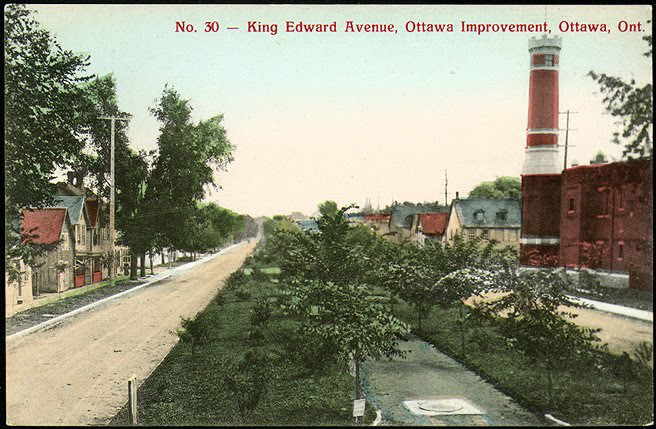
What keeps happening to our trees, and does anybody care? Trees can be seen simply as woody perennials that produce leafy branches or they can be seen as an essential and beneficial part of nature. For residents of Lowertown who live in a world of concrete and asphalt surrounded by noise and petrol fumes from automobiles, trees can lower stress and improve health. They act as a machine that removes CO2 from the atmosphere, regulates groundwater, protects the soil, cleans the air of dirt and can lower energy costs while adding to property value if treated right!
In 2017, the City of Ottawa launched a 20-year strategic Urban Forest Management Plan outlining a number of guiding principles including one that asserts that: “All of Ottawa’s residents deserve equitable access to the benefits provided by the urban forest.” It also emphasized the need to expand community engagement and to have neighbourhood plans.
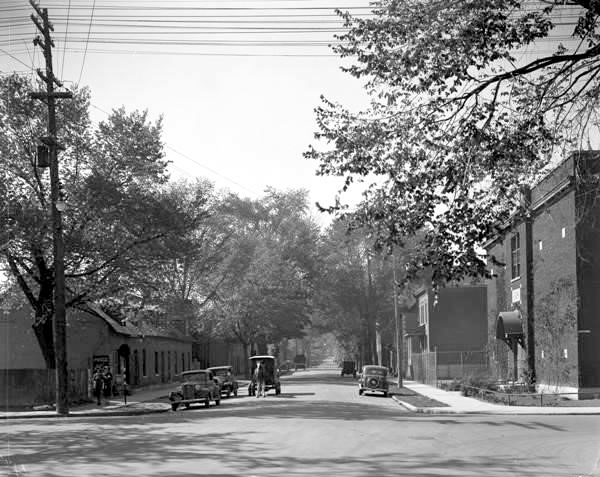
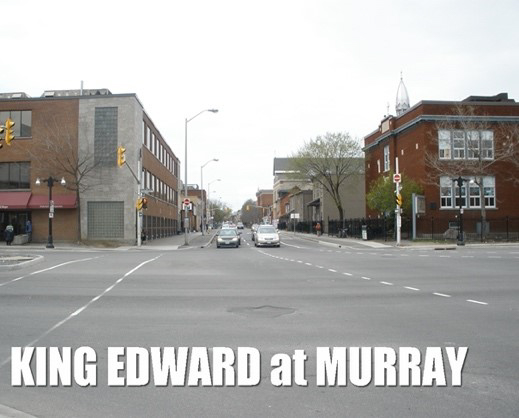
A 2019 assessment revealed that Lowertown is one of the least densely populated areas for tree canopy. How did this happen? Most residents know that before King Edward Avenue became a major highway for transport trucks and commuter traffic, it was a beautiful tree- lined boulevard. Just this spring, 31 trees along both sides of King Edward were cut without any prior consultation with residents or the councillor. While the City has recently planted new trees, there was no special soil treatment to enable the trees to grow and be protected from the fumes of the more than 60,000 cars and trucks passing each day and the winter salt from the road.
This King Edward Avenue scenario is not the first time that Lowertown has lost trees without warning or prior discussion. In 2015 the Trinity Development Group cut down more than 40 trees on at 151-153 Chapel Street before any kind of development permission was granted. The City offered no apology for approving the tree cutting but did retrieve $11,924 in compensation from the developer to plant new ones. To date, although the dense mixed-use complex is open for occupancy, the developer has planted a minimal number of trees and the community has heard nothing about when replacements will be planted.
In recent years, other development projects have built out to the street with renderings showing one or two full trees at the sidewalk. While these drawings show a picture of a full leafy tree, the planting is usually a small spindly tree left to fend for itself without care. Such buildings are unlikely to have a shaded tree area for residents to sit outside and feel the calmness and beauty that the trees and their canopy provide, especially in this time of climate change.
Mayor Mark Sutcliffe promised to plant 250,000 trees a year in Ottawa as part of his environmental plan, and now residents can play a game of “Spot the new tree.” You can also engage the city’s Forestry Services in identifying new tree planting opportunities within City of Ottawa parks and at City-owned facilities. And you can look at our Lowertown area using the City of Ottawa interactive map for trees at
https://ottawa.ctvnews.ca/what-type-of-trees-are-on-your-street-there-s-a-map-for-that-1.5453517
Together we can nurture a greener Lowertown.