
a look back at Emergency Shelters
By Nancy Miller Chenier
Men drifted into Lowertown from the nearby trains, sometimes hitching rides on Market-bound vehicles, and often just walking from the jail or the hospitals. The train station, the market wagons, the hospitals and the jail are gone but Lowertown continues to be a primary site of emergency shelters for men who are homeless.
In 2006, Georges Bédard, then ward councillor, called for a moratorium on new shelter services downtown. In 2012, Mathieu Fleury, our current councillor, argued that a different funding model is needed to get the destitute out of emergency shelters and into stable housing.
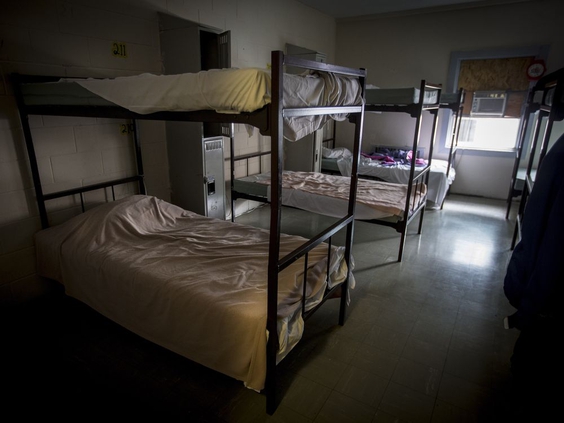
So how did our current shelters for men get their organizational start? The Mission, now on the edge of Sandy Hill, grew out of a 1906 gathering of business and religious leaders collected together to support a Rescue Mission on George Street. A few years later, the Salvation Army opened its first hostel on the same street. Jump ahead to 1983 when St Brigid’s Roman Catholic Church on St Patrick Street opened a shelter in its church basement during what was described as a “plague of homelessness”.
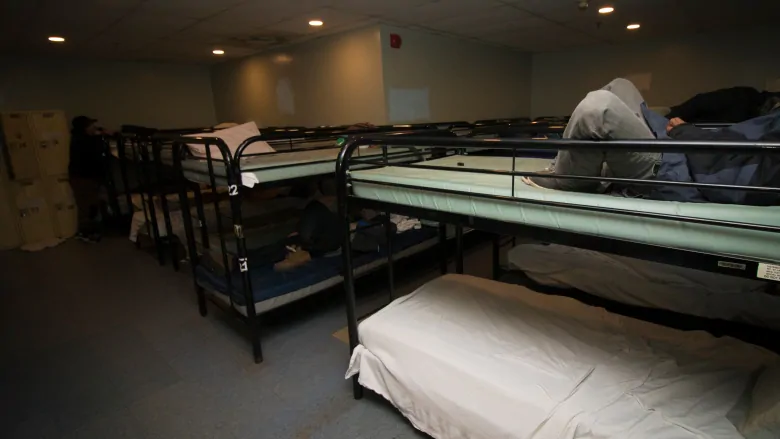
For early shelter promoters, the ByWard Market area was the chosen location. At the organizing meeting for the Union Mission, Reverend McFaul of the newly formed French Baptist church felt that the mission should be established near the ByWard Market where, according to the Ottawa Citizen, it was most needed and where any policeman would say that the fallen congregated.
When the Salvation Army was considering a possible site, it reported that Lowertown would be the best part of the city for such an institution. And as for the Shepherds, the fact that St Brigid’s Church was in Lowertown with easy access to restaurants and leftover fruit and vegetables determined much of the future development.
Homelessness has many causes and the early shelters enumerated them in their public statements to the newspapers. At the early Mission, they talked about the unemployed working poor, men coming from the public wards of the hospitals, prisoners just discharged from jail. Tramps were not welcome. At the Salvation Army, the focus was on transients and men who were up against it – often unemployed or recently released from prison.
By 1983, when the Shepherds of Good Hope was established, the organization was dealing with the same concerns but with increased homelessness created by de-institutionalization that left many individuals living with mental illness without community support.
All the shelters initially operated with strong Christian religious support and charitable donations, with volunteers providing significant services. The Salvation Army was noted for its “soup, soap and salvation” approach. Both the Mission and Salvation Army started with a model where the men in need paid a small sum for bed and food except in extreme cases.
They also expected the men to seek work and operated as labour bureaus, encouraging job requests from the community. The Shepherds initially acquired a farm, hoping some clients could work there, and later in the 1980s launched an employment program.
While these emergency shelters were supposed to be places for temporary stays, persistent and increased demands led to bigger and bigger institutions in our neighbourhood. These organizations quite rightly measured their successes by the number of beds and meals and programs that they offered to men who appeared to have nowhere else to go. But the numbers were then and continue to be a measure of the failure of our community and our city to find and fund supportive housing and programs to meet the needs of these vulnerable residents.
We now know that our shelters house women as well as men. Our city has declared that housing and homeless is an emergency. Our Lowertown community continues to have front-line experience with neighbours who live at the shelters. Most residents continue to advocate for more supportive housing; many argue for more equitable distribution in our city.
Our city has supported our Lowertown shelter organizations in doing what residents across the whole city should be doing – providing homes and support to the many in need.